


Cremation Services
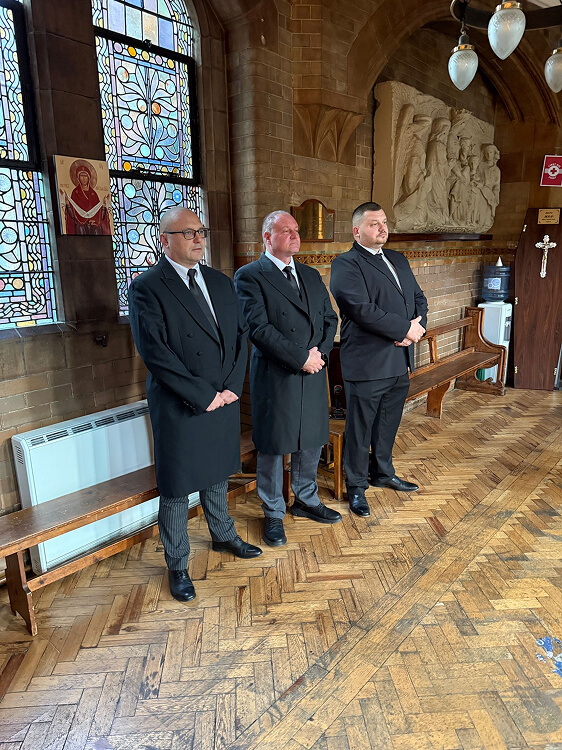
About the cremation process
Cremation is a type of funeral arrangement often chosen based on personal convictions, religious considerations, or practical reasons. The core of the procedure involves the incineration of the deceased’s body in a special crematorium furnace following a farewell ceremony.
The cremation process is a complex of ritual services. It begins with the official confirmation of death and includes the transportation of the body to the morgue, its storage, and preparation for the wake or viewing. After the farewell service, the body is transferred to the crematorium for the procedure itself.
What happens after cremation? Upon the completion of the cremation, the next of kin are provided with a sealed container (capsule) holding the cremated remains (ashes) of the deceased. This capsule can then be placed into a decorative urn, which may subsequently be interred in the ground at a cemetery, placed in a niche within a columbarium, or kept at home.
Advantages of Cremation Cremation offers a number of significant advantages. These primarily include simplicity of arrangement and flexibility: the process is less burdensome in terms of logistics and allows for a farewell ceremony that closely aligns with the family’s wishes. Furthermore, cremation is generally more affordable than traditional burial.
How is cremation performed?
Initial Contact
The process begins with your initial contact. We gather all preliminary details regarding the deceased, the location of death, and the final destination to immediately begin assessing the legal requirements and scope of work.
Selection of Urn and Other Accessories
During this step, the family chooses a suitable urn for the cremated remains, along with any necessary ceremonial items like temporary containers or decorative keepsakes, which personalizes the final disposition.
Preparation of Documentation
This crucial stage involves collecting and formalizing all required legal paperwork, including the death certificate, permits for cremation, and necessary declarations to ensure compliance with all local and international regulations.
The Cremation Process
Following legal and ceremonial requirements, the deceased is transferred to the licensed crematory. The actual cremation is performed in a specialized furnace under regulated conditions, adhering to strict identification protocols throughout the procedure.
Organization of the Farewell Ceremony
We coordinate and arrange a meaningful gathering—whether it is a private viewing, a formal service before the cremation, or a memorial after—to allow family and friends a final opportunity to pay their respects.
Receiving the Ashes and Urn
Once the cremation is complete, the cremated remains are carefully placed into the chosen urn. The family is then notified to arrange a time for the dignified collection or secure delivery of the urn and final paperwork.
About Cremation
Full Range of Cremation Services
- Organizing the Cremation
- Transportation of the Deceased to the Morgue
- Coordination of Time and Date with the Crematorium
- Transfer of the Deceased from the Morgue to the Crematorium
- Receiving the Urn with Ashes
Contacts us
Get an instant quote
Get in Touch with Us
Frequently asked questions about cremation
What is the cremation process?
The cremation process is a method of final disposition where the body of the deceased is reduced to bone fragments (ashes) by exposure to intense heat in a specialized furnace (cremator).
How long does the cremation process take?
he actual cremation process typically takes between 1 to 3 hours, depending on the weight of the deceased and the efficiency of the equipment. Following the process, a cooling period and preparation of the remains are necessary.
Is it possible to be present during the cremation?
Yes, close family and relatives can be present during the cremation, provided the crematory permits it. Attendance is usually pre-arranged and takes place in a specially designated room.
How is the identity of the deceased verified during the process?
Strict protocol ensures verification at every step. The deceased is assigned a unique metal identification tag (usually resistant to heat), which accompanies them through the cremation process and is placed with the final remains to guarantee accurate identification.
What is a columbarium?
A columbarium is a special structure or wall with niches where urns containing the remains of the deceased are stored. A space can be rented there for the long-term storage of the ashes.
What is required before a body can be cremated?
Legally, a death certificate and specific authorization and permits for cremation (usually including a mandatory waiting period) must be obtained. Any medical devices, such as pacemakers, must be removed for safety reasons.
Which is cheaper – cremation or a traditional burial?
Cremation is usually cheaper than a traditional burial because there are no expenses for the casket, grave plot, grave digging, and long-term storage of the deceased. However, the exact price depends on the services and the region.
We transferred the deceased to the crematory with all regulations followed and with the utmost respect.
Are there any religious restrictions regarding cremation?
Most major religions, including various denominations of Christianity, Buddhism, and Hinduism, permit cremation. However, traditional Catholicism only recently accepted it, and Islam and Orthodox Judaism generally forbid it. It is best to consult with your specific religious authority.
What options are there for the final disposition of the ashes?
Options include burying the urn in a cemetery plot, placing it in a columbarium niche, keeping it at home, scattering the ashes in a meaningful location, or using them in memorial products (e.g., jewelry or reef balls).
Is it legal to scatter the ashes?
Yes, scattering ashes is legal, but regulations vary by location. Scattering on private land usually requires the owner’s permission. Scattering on public land or water may require permits and must follow local environmental guidelines.